
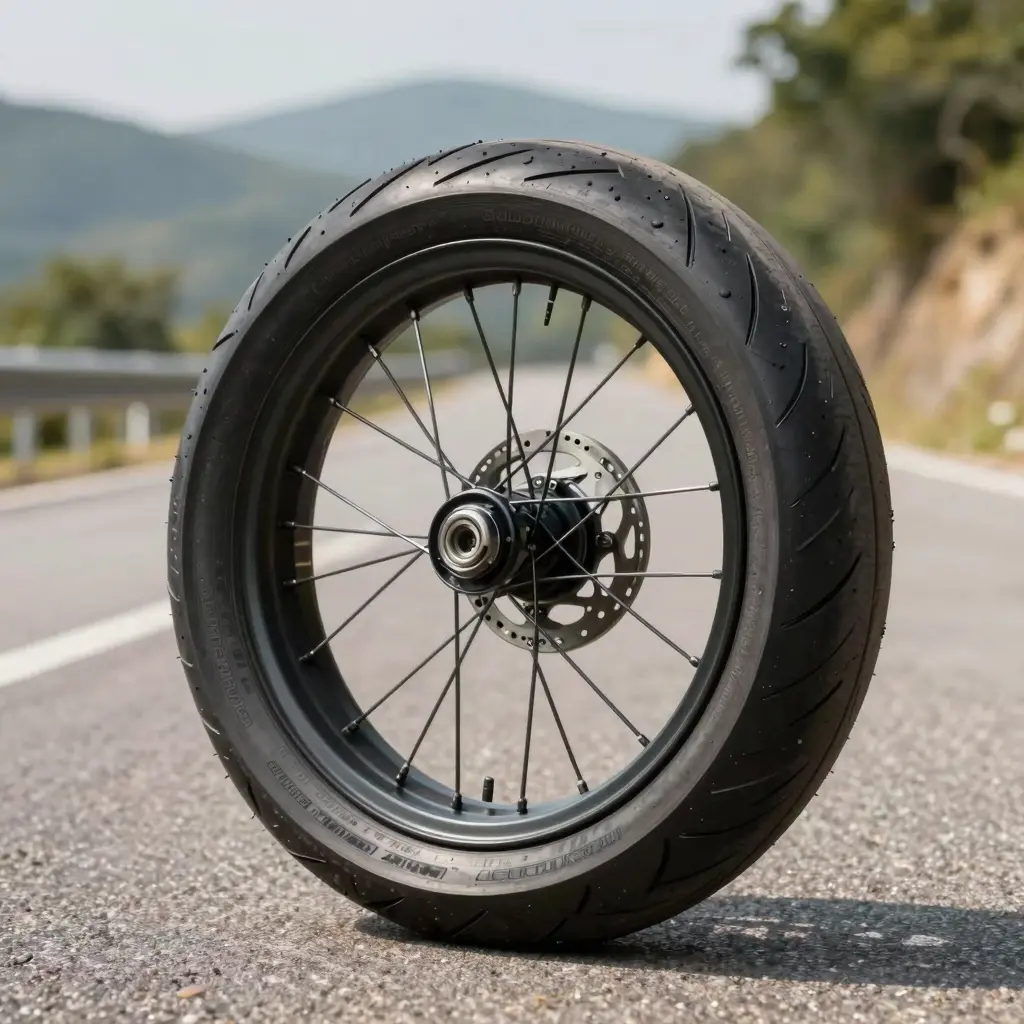
The Importance of Tubeless Motorcycle Tire Conversion for Business Owners
In the ever-evolving landscape of motorcycle performance, the shift towards tubeless tires represents a significant innovation that no serious business owner should overlook. Transitioning to tubeless motorcycle tires not only enhances the safety protocols of your fleet but also dramatically improves performance, leading to greater customer satisfaction and operational efficiency. Tubeless tires, by design, allow for a more reliable performance by reducing the likelihood of punctures and air loss, which is a common concern encountered with traditional tube tires. By eliminating the inner tube, these tires also contribute to a lighter overall weight, which further enhances maneuverability and handling-a critical factor for riders aiming for peak performance.
Moreover, the advantages of a tubeless setup extend beyond safety and efficiency; they offer businesses a cost-effective solution over time. Lower maintenance needs and reduced repair costs, owing to the tire’s ability to self-seal minor punctures, mean that maintenance time can be redirected towards more productive activities. This is crucial for business owners looking to maximize their resources.
Using tubeless tires can also enhance the overall riding experience, resulting in happier customers who may help bolster your business through positive word-of-mouth feedback. As riders experience the benefits of longer tire life, improved fuel efficiency, and the peace of mind that comes from enhanced safety, your operation can stand out in a crowded market. To further optimize the performance of your tubeless tires, understanding tire pressure management is key. Regular monitoring and adjustments to tire pressures can ensure that both safety and performance remain at their peak. As the motorcycle industry continues to innovate, integrating tubeless tire technology should be a priority for responsible business practices.
Current Tire Technology in Motorcycles
The motorcycle tire technology landscape is evolving, particularly with the transition from traditional tube tires to modern tubeless options. Understanding the differences between these two types of tires is essential for business owners in the motorcycle industry.
Tube Tires vs. Tubeless Tires
Advantages of Tube Tires:
- Cost-Effective: Typically cheaper than tubeless tires.
- Easier to Repair: If punctured, repairs are straightforward with the replacement of the tube.
- Standard in Older Models: Many classic bikes still utilize this technology, making it essential for restoration projects.
Disadvantages of Tube Tires:
- Higher Risk of Blowouts: Can deflate suddenly, which can be dangerous.
- Increased Rolling Resistance: May lead to decreased fuel efficiency and performance.
Advantages of Tubeless Tires:
- Self-Sealing Technology: Many tubeless tires include sealant that can seal small punctures immediately.
- Lower Pressure Capability: Allows for reduced tire pressure for better grip and comfort, making them ideal for off-road riding.
- Reduced Weight: Generally lighter compared to tube tires, enhancing overall performance.
Disadvantages of Tubeless Tires:
- Higher Initial Cost: Often more expensive to purchase.
- Maintenance Needs: Requires careful installation and periodic checks for leaks.
Conclusion
Both tire types have their place in the motorcycle industry, with tubeless tires being increasingly favored for their durability and performance benefits. Whether replacing older models with tube tires or considering a switch to tubeless, informed decisions can enhance safety and performance. For further insights on motorcycle tire maintenance and pressure recommendations, check out the tire pressure calculator.
Understanding Tubeless Motorcycle Tire Mechanics
Tubeless motorcycle tires have become increasingly popular due to their numerous advantages over traditional tires with inner tubes. Understanding the mechanics behind tubeless tires is essential for business owners in the automotive industry looking to offer services such as tire conversions.
Key Components of Tubeless Tires:
- Tire Wall: The outer structure that holds the shape of the tire, providing necessary rigidity.
- Valve Stem: This component allows air to enter the tire, maintaining inflation without the need for an inner tube.
- Sealant: A special liquid that is applied inside the tire to seal punctures and maintain constant air pressure.
- Rim: The edge of the wheel designed to create an airtight seal with the tire, crucial for preventing leaks.
- Air Cavity: The space within the tire that holds air, essential for providing cushioning and support while riding.
For more insights on tire pressure management, you can check out the tire pressure calculator and explore tubeless tire options.

Advantages of Tubeless Tires for Motorcycles
Converting to tubeless tires can offer significant benefits for motorcycle riders and business owners. Here are key advantages:
- Puncture Resistance: Tubeless tires are designed to hold air more securely than traditional tires with tubes, minimizing the chances of sudden air loss due to punctures.
- Weight Savings: By eliminating the inner tube, tubeless tires are generally lighter, which can enhance performance and fuel efficiency.
- Improved Ride Comfort: Riders can run tubeless tires at lower air pressures, providing better traction and a smoother ride over various terrains.
- Ease of Maintenance: Repairs can be made easily with sealants, eliminating the need for complicated tube replacements following minor punctures.
- Enhanced Safety: Tubeless tires deflate gradually when punctured, providing the rider with more control compared to traditional tires that can blow out suddenly.
For more information, you can learn about tire pressure to maintain optimal performance and safety.
Step-by-Step Guide to Converting a Conventional Motorcycle Tire to a Tubeless Tire
Converting a conventional motorcycle tire that uses an inner tube to a tubeless tire system can offer significant advantages such as improved safety, easier puncture repairs, and better performance. This comprehensive guide outlines the conversion process along with the tools you will need, safety precautions, and tips to maximize your results.
Tools and Materials Needed
- Tubeless-compatible tire (ensure size and type match your rim and motorcycle specifications)
- Tubeless-compatible rim or rim with a tubeless conversion kit
- Rim tape (specific for tubeless conversion to seal spoke holes)
- Valve stem for tubeless tires
- Tire levers
- Air compressor or high-pressure pump
- Soapy water or bead lubricant
- Soap and water for cleaning
- Tire pressure gauge
Safety Precautions
- Always wear gloves and safety glasses when working with tires and rims to protect from sharp edges or debris.
- Ensure the motorcycle is securely lifted and stable to prevent accidents.
- Deflate the old tire completely before removal to avoid sudden bursts.
- Use proper tools and avoid makeshift solutions to prevent damage or personal injury.
Step-by-Step Conversion Process
- Remove the Motorcycle Wheel
- Secure the motorcycle on a stand or lift.
- Remove the wheel carefully, following your motorcycle’s manual for brake and axle removal.
- Remove the Existing Tire and Inner Tube
- Deflate the tire completely.
- Use tire levers to pry the tire bead from the rim.
- Remove the inner tube fully and inspect the rim for damage or sharp objects.
- Prepare the Rim
- Clean the rim thoroughly with soap and water to remove dirt and grease.
- Check rim edges and spoke holes to ensure they are smooth and free of damage.
- Apply Rim Tape
- Measure and apply high-quality tubeless rim tape precisely over the spoke holes.
- Ensure the tape is airtight with no wrinkles or gaps to prevent air leakage.
- Install the Tubeless Valve Stem
- Insert the tubeless valve stem into the valve hole on the rim.
- Secure it tightly with the provided nut to create an airtight seal.
- Mount the Tubeless Tire
- Lubricate the tire bead with soapy water or bead lubricant.
- Carefully mount one bead of the tire onto the rim.
- Position the valve stem correctly.
- Mount the second bead, ensuring it seats evenly on the rim.
- Inflate the Tire
- Inflate the tire quickly using an air compressor to seat the beads firmly against the rim.
- You may hear popping sounds indicating the bead is sealing.
- Inflate to the recommended pressure specified for your tire (use a reliable tire pressure gauge).
- Check for Leaks
- Spray soapy water around the bead and valve stem.
- Look for bubbles that indicate air leaks.
- If leaks appear, adjust seating or reapply rim tape/valve as necessary.
- Reinstall the Wheel on the Motorcycle
- Place the wheel back on the motorcycle.
- Reconnect brakes and axle, and torque all fasteners to manufacturer specifications.
- Final Check
- Verify correct tire pressure using a tire pressure calculator or gauge.
- Test ride cautiously to ensure stable performance.
Tips for Optimal Performance
- Always use tubeless-specific tires and compatible rims or conversion kits.
- Regularly check tire pressure since tubeless tires can maintain air pressure longer but still require monitoring.
- Consider using a tire pressure monitor system for fleet safety and business applications.
- Periodically inspect the bead and valve area for damage or air leaks.
For a detailed understanding and related conversions, you may find useful information in our guide on 3.25-19 motorcycle tire conversions and check tire pressures with our tire pressure calculator.
This conversion not only modernizes your fleet’s tires but also enhances safety and maintenance efficiency, essential for business owners managing multiple motorcycles.
Cost Comparison of Tube vs. Tubeless Motorcycle Tires
Maintaining motorcycle tires is crucial for safety and performance, and understanding the costs associated with tube versus tubeless tires can help business owners make informed decisions. Here’s a detailed cost comparison based on a typical 5-year period:
| Tire Type | Initial Cost | Annual Maintenance Cost | Total Cost Over 5 Years |
|---|---|---|---|
| Tubed | $100 | $40 | $300 |
| Tubeless | $120 | $20 | $220 |
Analysis
- Initial Cost: Tubeless tires have a higher initial purchase price compared to tubed tires. This might be a concern for businesses looking to minimize upfront investments.
- Annual Maintenance Costs: Tubeless tires require less frequent maintenance, translating to lower annual costs. For instance, tubed tires incur approximately $40 per year in maintenance, while tubeless options require only $20.
- Total Cost Over Time: Over 5 years, the total savings from switching to tubeless tires can amount to $80, making them a more economical choice in the long run.
For more insights on tire types, consider checking our tire pressure calculator and effective tire maintenance strategies.
Common Misconceptions About Tubeless Motorcycle Tires
As tubeless motorcycle tires gain popularity, several common misconceptions can hinder their adoption. Addressing these misconceptions is vital for both motorcycle enthusiasts and business owners in the tire industry. Here are some of the prevalent myths and the realities behind them:
Misconception 1: Tubeless Tires Are Hard to Install
Many believe that tubeless tires are more challenging to install compared to traditional tires. In fact, they can be just as straightforward, if not easier, to mount. Proper sealing and installation techniques are crucial, but the benefits, such as lower rolling resistance and better handling, outweigh the initial setup efforts. Learn more about tire pressure.
Misconception 2: They Are Prone to Frequent Leaks
Another misconception is that tubeless tires experience constant pressure issues or slow leaks. While it’s true that improper setup can lead to leaks, regular maintenance and proper sealing mechanisms can significantly reduce these issues. Most problems arise from incorrectly installed rim tape or faulty valves, not the tires themselves. Explore inner tube options.
Misconception 3: Difficult Repairs
A common belief is that fixing tubeless tires is trickier than repairing those with inner tubes. Although larger punctures can pose challenges, small leaks can often be patched with sealant or plugs, which are typically more effective than tube repairs. Additionally, the puncture protection offered by tubeless tires is superior, making them a reliable choice for many riders.
By dispelling these myths, motorcycle tire vendors and owners can provide better guidance, ensuring customers understand the true nature and benefits of tubeless technology.
In conclusion, the transition to tubeless motorcycle tires offers significant benefits that can greatly enhance the riding experience, particularly for businesses in the motorcycle industry. Tubeless tires reduce the risk of punctures and blowouts due to their airtight design, allowing for lower tire pressures that improve comfort and performance, especially on challenging terrains. According to various reports, tubeless tire adoption exceeds 70% among advanced motorcycle segments, signifying a substantial shift toward more efficient riding technologies. Moreover, with over 78% of newly registered vehicles in the U.S. utilizing tubeless tires, now is the optimal time for business owners to consider integrating this technology into their offerings. Embracing tubeless tire technologies not only enhances safety and reliability but also positions businesses favorably in an evolving market where consumer expectations for performance and innovation are rising. We encourage motorcycle business owners to explore the benefits of tubeless tires and to begin transitioning their fleets to these cutting-edge solutions. A proactive change now can lead to long-term advantages in customer satisfaction and competitive edge.
Adoption Rates of Tubeless Motorcycle Tires
In the past decade, the adoption of tubeless motorcycle tires has experienced significant growth, aligning with trends in the broader motorcycle tire market. This growth is influenced by various factors, including advancements in tire technology, increased consumer awareness, and the rising preference for performance and safety in the motorcycle industry.
The following chart illustrates the projected adoption rates and market size of motorcycle tires, specifically focusing on tubeless options. As evidenced in the chart, the adoption rate has consistently increased, reaching 60% by 2023 and projected to grow further in the coming years. This trend is crucial for business owners in the motorcycle industry to understand as they navigate product offerings and consumer needs.

| Year | Projected Growth Rate (%) | Market Size (in Billion $) | Adoption Rate of Tubeless Tires (%) |
|---|---|---|---|
| 2015 | 5 | 8.0 | 15 |
| 2016 | 6 | 8.5 | 20 |
| 2017 | 6 | 9.0 | 25 |
| 2018 | 7 | 9.6 | 30 |
| 2019 | 8 | 10.5 | 35 |
| 2020 | 8 | 11.3 | 40 |
| 2021 | 9 | 12.2 | 50 |
| 2022 | 10 | 14.0 | 55 |
| 2023 | 10 | 15.0 | 60 |
| 2024 | 11 | 16.5 | 65 |
For more insights and tools related to motorcycle tires, you can learn more about tire pressure calculations or explore motorcycle tire conversions to aid your business decisions.
“Tubeless motorcycle tires represent a significant advancement in motorcycle safety and performance. By eliminating the inner tube, these tires reduce the risk of sudden air loss due to punctures and improve heat dissipation during rides. This results in enhanced tire durability and better overall ride stability. Looking toward the future, tubeless technology will continue to evolve with improved materials and designs that cater to diverse motorcycle types, ultimately offering greater reliability and efficiency. For business owners, investing in tubeless tire conversions can lead to lower maintenance costs and increased customer satisfaction, making it a smart move in the competitive motorcycle market.”
- Industry Expert in Motorcycle Tire Technology
For detailed information on tire pressure management which complements tubeless tire benefits, you can explore tire pressure calculator and for insights on specific tire conversions, check out 3.25-19 motorcycle tire conversions.