
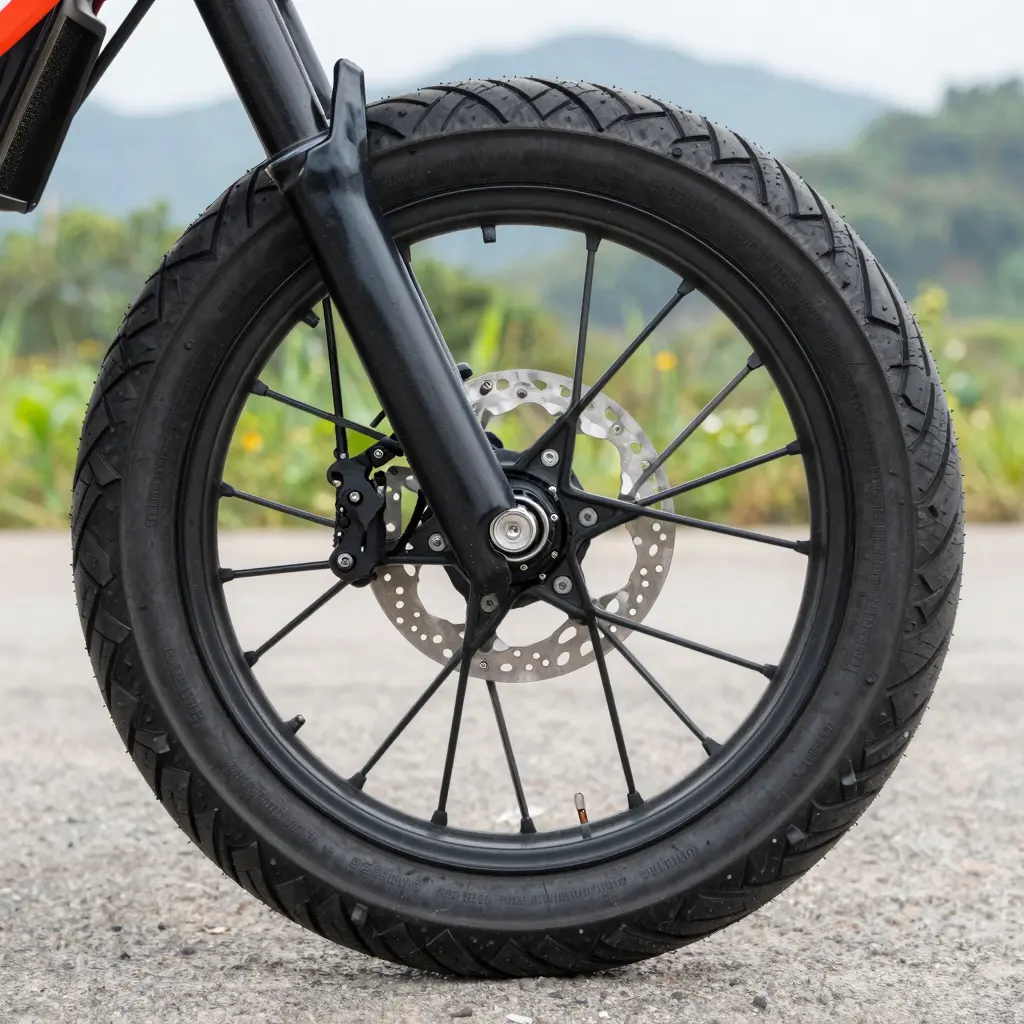
Motorcycle owners and enthusiasts understand the pivotal role that tire choice plays in performance and safety. Among the various options available, the 160/80 16 rear motorcycle tire stands out, primarily due to its unique combination of size and performance characteristics. This particular tire size is essential for business owners in the motorcycle industry as it caters to a diverse range of motorcycles, from cruisers to touring bikes. Understanding the specifications and benefits of the 160/80 16 tire is vital for those in retail, maintenance, and manufacturing sectors, as it allows for informed decision-making regarding inventory, sales strategies, and customer advisement. Additionally, by focusing on quality tires like the 160/80 16, business owners can enhance their brand reputation while ensuring the safety and satisfaction of their customers. For more insights on tire specifics and pressure management, check our tire pressure calculator and explore related information on inner tube specifications.
Specifications of 160/80 16 Rear Motorcycle Tire
The 160/80 16 rear motorcycle tire is a popular tire size used in various motorcycle types. This specification breaks down as follows:
- Width: The tire’s total width measures 160 mm.
- Aspect Ratio: The aspect ratio is 80%, meaning the height of the tire sidewall is 80% of the width. This influences handling and ride comfort, with higher ratios often providing better impact absorption while maintaining stability.
- Rim Diameter: It is designed to fit a 16-inch rim, which is critical for ensuring a proper fit on the motorcycle. A mismatched tire can lead to safety issues.
- Load Capacity: This tire typically has a load capacity of approximately 466 lb (or 211 kg). This means it can support a significant amount of weight, factoring in the bike, rider, and additional loads such as luggage.
- Speed Rating: Many models in this size have speed ratings around H (up to 130 mph), indicating their ability to handle high speeds safely.
Types Available
There are several types of tires available in this size:
- Touring Tires: An example is the Bridgestone Exedra G702R, designed for comfort during long rides, providing durability and excellent performance.
- Sport Tires: For more aggressive riding, the Shinko 160/80R-16 offers a performance-focused design with excellent grip and handling capabilities.
Impact on Performance
The specifications of a motorcycle tire significantly influence its performance, handling, and ride quality:
- Stability: A wider tire can provide improved contact with the road, enhancing stability, especially during turns.
- Traction: The tread design affects grip and performance in various weather conditions. Sport tires typically provide superior traction but may wear faster than touring tires.
- Comfort: Touring tires are designed to absorb road imperfections due to their higher aspect ratios and softer compounds, enhancing ride comfort over long distances.
Conclusion
Understanding the specifications of the 160/80 16 rear motorcycle tire allows motorcycle owners to make informed choices based on riding style and performance needs. For more information on tire pressure and its importance, check out our tire pressure calculator.
Here’s a comparison table of major brands offering 160/80 16 rear motorcycle tires, including their price, durability, and warranty information:
| Brand | Price (approx.) | Durability | Warranty |
|---|---|---|---|
| Bridgestone Exedra G702 | $120 | High | 3-Year Limited |
| Shinko 890 Journey | $80 | Good | 2-Year Limited |
| Dunlop | $110 | Very High | 4-Year Limited |
| Parts Unlimited | Varies | Varies | Typically 1-Year |
Overview of Major Brands
-
Bridgestone Exedra G702: This tire is tailored for touring motorcycles and is praised for its durability, making it an ideal choice for long rides.
-
Shinko 890 Journey: Known for its all-weather capability and affordable price, the Shinko tire is popular among riders seeking value without compromising on performance.
-
Dunlop: With its reputation for quality and superior durability, Dunlop tires often come with extensive warranties, providing peace of mind for business owners.
-
Parts Unlimited: This platform offers a wide range of options, making it easier to find tires that meet various demands in terms of performance and durability.
For further insights into tire maintenance and selecting the right type, you can learn more about tire pressure calculations.
This information should be helpful for business owners evaluating their options in the motorcycle tire market, ensuring they make informed decisions based on price, durability, and warranty offerings. Each brand featured has established itself in the industry, making them reliable choices for rear motorcycle tire purchases.
Advantages of 160/80 16 Motorcycle Tires
The 160/80 16 rear motorcycle tire offers various advantages that cater to different types of motorcycles, enhancing their performance significantly. Here’s a glimpse at how this specific tire size can positively impact handling, stability, and overall riding experience:
1. Enhanced Handling
A 160/80 16 tire provides a perfect balance between width and profile, allowing for better grip on different road surfaces. The enhanced contact patch means that the bike can respond more quickly to the rider’s inputs during turns, leading to sharper and more controlled handling. Riders can push their motorcycles harder in corners without compromise, which is particularly beneficial for sport and touring bikes.
2. Improved Stability
Stability is a critical factor when riding at high speeds or navigating through curves. The wider profile of the 160/80 tire contributes to improved stability, particularly at higher speeds. This stability can lead to increased confidence for the rider, allowing for a smoother and more controlled ride. Additionally, the tire’s construction absorbs road imperfections better, further enhancing stability. For touring motorcycles that carry extra weight, such as luggage or passengers, this tire can significantly improve the overall ride feel.
3. Optimal Performance Across Varied Conditions
This tire size is versatile enough for both urban commuting and long-distance touring, making it suitable for various motorcycle types. Whether riding in rainy weather or on dry, winding roads, the 160/80 16 tire can handle different conditions effectively. Its grip on wet surfaces also aids in reducing the risk of hydroplaning, which is essential for safety. For those looking to maximize their motorcycle’s performance, investing in quality tires like the 160/80 16 is crucial to providing both enjoyment and safety on the road.
Conclusion
In conclusion, using a 160/80 16 tire can enhance motorcycle performance significantly, contributing to improved handling, stability, and overall comfort while riding. It is particularly beneficial for business owners in the motorcycle industry or service providers to understand these advantages, as it highlights the importance of quality tires in ensuring rider safety and satisfaction. By choosing the right tire, they can offer clients better performance and safer riding experiences. For more information about tire pressure maintenance, check out our tire pressure calculator.
Additionally, understanding tire conversions can aid in expanding service offerings. Learn more about motorcycle tire conversions to provide comprehensive support to your customers.
Understanding the 160/80 16 Rear Motorcycle Tire
The 160/80 16 rear motorcycle tire is a popular choice among motorcycle enthusiasts, particularly those who engage in sport and touring. This tire size is recognized for enhancing stability and handling on different terrains.
Key Features:
- Tire Size: 160/80 16
- Performance Characteristics: High grip, which translates to better traction and improved ride comfort.
- Typical Usage: Commonly used in sport, touring, and off-road motorcycles, making it a versatile option for various riding styles.
- Brand Examples: Leading brands like Aprilia, Triumph, Honda, and Yamaha offer motorcycles equipped with this tire size, ensuring quality and performance.
Investing in quality tires can significantly affect rider safety and overall experience on the road. For more information about tire pressure and maintenance, check out our tire pressure calculator and learn about motorcycle tire conversions.
Common Issues with 160/80 16 Rear Motorcycle Tires
Motorcycle tires often face various issues that can affect performance, safety, and maintenance. The 160/80 16 rear motorcycle tire is no exception. Here are some common concerns that business owners may encounter:
1. Tire Wear
- Uneven Wear: Tires can wear unevenly due to improper inflation or misalignment. Monitoring tire pressure regularly is crucial, as manufacturers often recommend maintaining pressure between 28 to 40 PSI to prevent issues and maximize longevity.
- Tread Degradation: Over time, the tread depth decreases, particularly if the tire has been used extensively or under extreme conditions. Tread patterns are designed for optimal grip; thus, maintaining adequate tread depth is essential for safety.
2. Punctures and Damage
- Debris on Roads: Sharp objects or rough terrains can cause punctures in tires. Regular inspections for cuts or punctures are needed to ensure safety and performance.
- Sidewall Damage: Hitting curbs or rough patches can cause sidewall bulging or cuts, significantly impacting the tire’s integrity.
3. Flat Spots
- Improper Storage: Tires can develop flat spots if a motorcycle is stored improperly, especially for extended periods. To avoid this, it is advisable to either move the motorcycle periodically or properly inflate and support the tires during storage.
4. Temperature Sensitivity
- Heat Buildup: Tire pressure can increase with heat generated during riding, leading to overinflation. Monitoring tire pressure before and after long rides can help mitigate the risks.
These issues can lead to severe consequences, including handling problems and safety risks. It’s beneficial to consult specialized resources for thorough inspections and maintenance tips. For those interested in best practices for tire pressure and maintenance, check out this guideline on motorcycle tire maintenance and learn about when to replace motorcycle tires.
By being proactive about these concerns, business owners can ensure the performance and safety of their motorcycles are not compromised, thereby maximizing their investment.
The Importance of Choosing the Right Tire Size: Insights from Experts
Choosing the correct tire size is crucial for motorcycle performance, safety, and handling. Tires, such as the 160/80 16, play a pivotal role in ensuring that a motorcycle operates optimally.
“The tire size directly affects the handling, stability, and safety of the motorcycle. A wrong tire size can lead to unpredictable behavior on the road.” – Motorcycle Safety Expert
When deciding on the appropriate tire size, it’s essential to consider the following:
- Handling and Stability: The right tire size ensures better grip and control, minimizing the chances of accidents.
- Comfort: Properly sized tires contribute to a smoother ride, reducing vibrations and improving overall comfort for the rider.
- Efficiency: Correct tire sizes can enhance fuel efficiency and performance, leading to better mileage and less wear on the bike.
For more detailed insights into motorcycle tire choices and how they can impact performance, you might want to check out this guide on maximizing safety with the right tire sizes.
In conclusion, selecting the proper tire size, such as 160/80 16, is paramount for both safety and performance. Be sure to consider manufacturer recommendations and consult experts when necessary.
Top Motorcycle Brands Using 160/80 16 Tires
The 160/80 16 rear tire is a popular choice among certain motorcycle manufacturers, particularly for cruisers and touring bikes. Here are some notable brands and models compatible with this tire size:
-
Shinko:
-
The Shinko 890 Journey is a widely recommended motorcycle tire featuring a 160/80R-16 size. Designed for larger touring bikes, it offers an all-weather tread and is suitable for motorcycles that demand versatility and high performance.
-
Sachs:
-
The Sachs MadAss has models equipped with 160 rear tires, making it a notable mention in the compact motorcycle category.
-
Benda:
-
Motorcycle models like the Benda Dark Flag 500 often utilize similar tire specifications, which may indicate compatibility with 160/80 16 tires.
These brands provide a variety of options for motorcycle enthusiasts looking for suitable tire sizes. For more information about tire specifications, check out the tire pressure calculator.
Key Purchase Considerations for 160/80 16 Rear Motorcycle Tires
When it comes to purchasing 160/80 16 rear motorcycle tires, business owners must make informed choices to ensure safety and performance. Here are some key factors to consider:
1. Price
- The price of motorcycle tires can vary significantly based on brand and specifications. Setting a budget while researching various options is essential. Brands like Shinko offer options like the Shinko SE890 Journey which is well-regarded for its value.
2. Performance Needs
- Evaluate the performance requirements based on riding styles and conditions. Tires like the Shinko 890 Journey are designed for all-weather conditions and can significantly enhance safety and handling.
- Consider if the tires are suitable for the type of motorcycle and intended use, whether for daily commutes or touring.
3. Seasonal Variations
- Tires should be chosen based on seasonal performance. In colder months, look for tires with better grip in wet conditions, whereas summer may allow for tires optimized for speed. The tread depth plays a crucial role in this, with deeper treads providing better traction.
4. Tire Specifications
- Ensure compatibility with your motorcycle’s requirements including speed ratings and load capacity. Tubeless tires like the MMG could offer maintenance advantages and improved durability.
- Researching key factors to consider when buying motorcycle tires provides valuable insights into tire specifications and features.
By carefully evaluating these factors, business owners can make selection choices that enhance both safety and performance.
Conclusion
In summary, selecting the right tire size, such as the 160/80 16 rear motorcycle tire, is crucial for enhancing the performance, safety, and overall handling of your motorcycle. Throughout this article, we’ve discussed how the correct tire size affects stability, grip, and responsiveness, key factors that can significantly influence a rider’s experience. Additionally, improper tire selection can lead to increased risks on the road and could negatively impact business decisions regarding tire procurement and inventory management for motorcycle dealers.
Business owners must recognize that the tire choice goes beyond mere aesthetics; it can directly affect customer satisfaction and sales outcomes. As such, partnering with trusted suppliers and utilizing resources, such as the tire pressure calculator, can play a pivotal role in making informed decisions.
For those interested in further optimizing their tire selection, we encourage you to explore how to choose motorcycle tires and ensure that your inventory aligns with customer needs and safety standards. Your attention to detail in tire selection can lead to sustainable business growth and heightened customer trust!