

The motorcycle industry is one characterized by a passionate community of enthusiasts and business owners who thrive on performance, safety, and aesthetics. Among the many factors critical to a motorcycle’s performance, tire selection plays an indispensable role-and understanding tire conversions, particularly the 3.25-19 motorcycle tire conversion, can be a game-changer for your business. Proper conversions not only affect handling and safety but also cater to specific riding styles and terrains, creating unique selling points for your products. Tire conversions are not just a matter of fitting a new rubber; they involve careful calculations that impact your clients’ riding experience. Knowledge of how to navigate these conversions will not only align your offerings with customer demands but will also enhance your expertise in the field, positioning you ahead of competitors. By diving deep into this article, you will gain invaluable insights into the ins and outs of tire measurements, the importance of correct sizing for various motorcycle makes and models, and practical tips to maximize safety and performance. For a thorough guide to optimizing tire pressure alongside your conversions, check out our tire pressure calculator and learn how these elements can elevate your service and product quality in the motorcycle marketplace.
Understanding 3.25-19 Motorcycle Tire Conversion
The 3.25-19 motorcycle tire conversion refers to the process of understanding and potentially altering the tire size, specifically the conversion between tire sizes on motorcycles, in this case, the tire marked as 3.25-19. This type of tire designation indicates a tire that is 3.25 inches wide and fits a 19-inch rim. The conversion concept outlines how different tires affect motorcycle performance, handling, and comfort.
Basic Definitions
- Tire Width (3.25 inches): This measurement denotes the cross-section width of the tire. A wider tire typically offers better grip; however, it may also affect steering dynamics and fuel efficiency.
- Rim Diameter (19 inches): This is the inner diameter of the tire that must match the motorcycle’s wheel size. A tire too wide or too narrow for the rim can cause handling issues.
Significance in Tire Performance
Converting to or from a 3.25-19 tire can significantly influence motorcycle operation. Here are some key factors:
- Performance: The 3.25-19 tire size is traditional for vintage and retro-style motorcycles, providing a classic aesthetic and likely a softer ride at lower speeds. This tire size is not optimized for high-speed performance; hence, riders need to recognize the potential limitations.
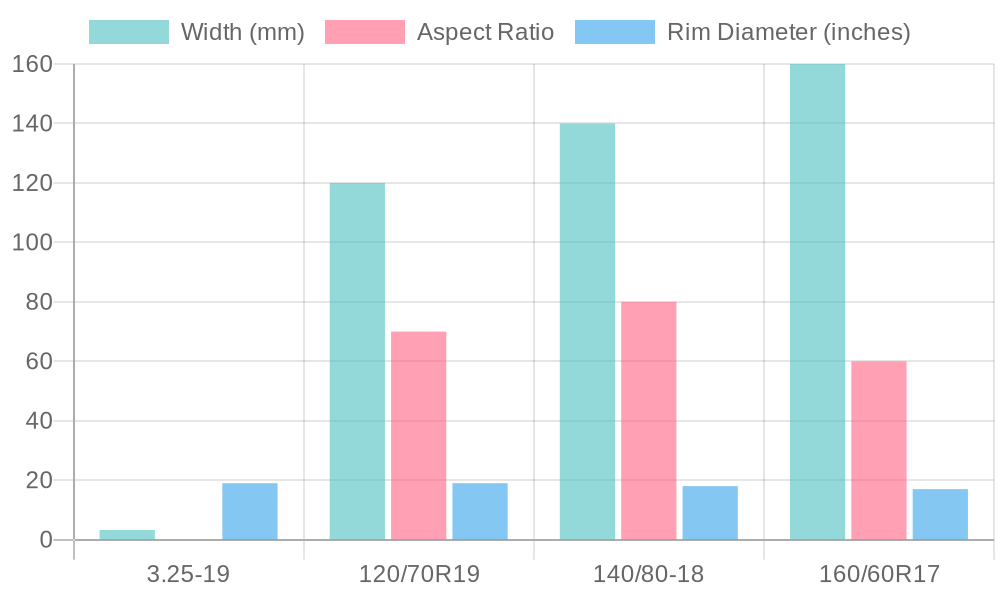
- Handling: Using alternative sizes, such as a 120/70R19 or 140/80-18, may boost traction and stability, especially during aggressive cornering or higher speed travel, as observed in modern bikes. Each tire size embodies different handling characteristics that can enhance or hinder riding experience.
Compatibility and Recommendations
Before converting to a different tire size, motorcycle owners should consult tire pressure calculators to understand the impact of changes on performance. Each tire is designed with specific applications in mind; thus, switching sizes should consider not only fitment but also performance expectations and safety standards. Always prioritize compatibility with your vehicle’s specifications to ensure efficiency and safety.
To better understand differences in sizes and their effects on motorcycle handling, see the analysis in the chart below:
In conclusion, understanding what 3.25-19 motorcycle tire conversion entails is essential for motorcycle owners, especially those dealing with vintage or customizing their rides. Consider the implications of materials, tread designs, and the specifications of new tires to ensure the best performance and safety for your motorcycle.
Benefits of Converting to 3.25-19 Motorcycle Tires
Converting to 3.25-19 motorcycle tires offers numerous advantages that can significantly enhance performance, safety, and customer satisfaction. Here’s a bullet-point list highlighting the key benefits tailored for business owners:
-
Improved Performance: Wider tires provide better traction on various surfaces, increasing acceleration and stability while cornering. For more information on tire sizing, check out the guide on converting motorcycle tire sizing systems.
-
Enhanced Safety Features: Tires designed for specific models, like the 3.25-19, often come with advanced tread patterns that improve grip and reduce the risk of hydroplaning, fostering a safer riding experience for your customers. To learn about tire tread patterns, see optimizing motorcycle tire tread patterns.
-
Better Customer Satisfaction: Satisfied customers are likely to return and recommend your business. Offering high-quality, well-performing tires can enhance their riding experience and promote loyalty.
-
Cost-Effectiveness: By providing a wider tire option, you may reduce the frequency of replacements due to enhanced durability and wear resistance, ultimately resulting in savings for customers.
-
Versatile Application: These tires are suitable not only for modern bikes but also for classic motorcycle restorations, appealing to a broader customer base wanting authenticity with safety.
In summary, converting to 3.25-19 motorcycle tires equips business owners with the opportunity to improve their service offerings, meet customer needs, and enhance overall business performance.
Comparing 3.25-19 Motorcycle Tires with Standard Sizes
Understanding the specifications of motorcycle tires, especially when converting sizes, is crucial for business owners involved in the motorcycle industry. The following table provides a comparison between the 3.25-19 motorcycle tire and some common tire sizes. This information can assist in making informed decisions regarding tire inventory and customer recommendations.
| Tire Size | Width (inches) | Aspect Ratio | Recommended Use |
|---|---|---|---|
| 3.25-19 | 3.25 | N/A | Custom/Classic Motorcycles |
| 3.00-19 | 3.00 | N/A | Street/Standard Motorcycles |
| 3.50-19 | 3.50 | N/A | Cruiser/Standard Motorcycles |
| 90/90-19 | 3.54 | 90% | Off-road/Adventure |
| 100/90-19 | 3.93 | 90% | Touring/Standard Motorcycles |
Key Specifications Explained
- Width: This dimension indicates the tire’s width when mounted. The 3.25-19 tire is slightly wider than its 3.00-19 counterpart, providing more contact with the road, which can enhance stability under certain conditions.
- Aspect Ratio: Not all motorcycle tires specify an aspect ratio like typical automotive tires do, but it indicates the ratio of the sidewall height to the tire width. For metric sizes, such as 90/90-19, the aspect ratio is expressed as a percentage, providing insight into handling characteristics.
- Recommended Uses: Each tire serves different applications. For instance, the 3.25-19 is often found on custom motorcycles, while the 100/90-19 may be preferred for touring due to its design suited for comfort over long distances.
For comprehensive guidance on motorcycle tire fitting and features, learn more about tire pressure and how to choose the right tube for your motorcycle.
Industry Standards for Motorcycle Tire Conversions
When it comes to motorcycle tire conversions, understanding the relevant industry standards is crucial for ensuring that safety and performance criteria are met. The following outlines key regulations and guidelines that pertain specifically to motorcycle tires, including those involved in conversions, such as moving to a 3.25-19 tire size.
1. Federal Motor Vehicle Safety Standards (FMVSS)
The Federal Motor Vehicle Safety Standards for Tires provides the regulatory baseline for tire safety, applicable to motorcycles and other vehicles. It includes performance requirements such as strength and testing criteria, critical for tire conversions to ensure compliance with federal safety regulations.
2. Motorcycle Safety Foundation Guidelines
The Motorcycle Safety Foundation’s Motorcycle Tire Guide offers rider-focused guidance, collating input from tire manufacturers and experts. This guide discusses crucial aspects such as:
- Tire maintenance
- Safety considerations for performance
- Correct installation procedures
These considerations are essential for converting to different tire sizes, such as the 3.25-19 model.
3. USTMA Motorcycle Tire Guide
Offered by the United States Tire Manufacturers Association, the USTMA Motorcycle Tire Guide outlines best practices and safety considerations for motorcycle tires. This guide serves as a recommendation for both riders and technicians during tire conversions, focusing on compliance with safety standards and technical specifications necessary for enhanced performance.
4. ISO Standards
The international standard ISO 10231:2022 covers tires used on motorcycles and related vehicles. This standard details definitions, technical requirements, and testing methods necessary for ensuring that tires, especially when converting to different sizes, meet global performance and safety expectations. You can find additional details here.
By adhering to these guidelines, business owners, and motorcyclists can ensure that conversions are not only compliant with safety standards but also optimized for performance, ultimately enhancing the riding experience.
Case Study: ABC Motorcycles and the Successful Implementation of 3.25-19 Tire Conversions
Introduction
In the competitive world of motorcycle retail, ABC Motorcycles, a mid-sized dealership, faced significant challenges with their tire offerings, particularly for vintage motorcycle models. Many of their customers sought 3.25-19 tires that were hard to find, causing potential sales loss and customer dissatisfaction.
The Challenge
As the demand for classic motorcycles grew, ABC Motorcycles noticed several issues:
- Limited Supply: The specific tire size (3.25-19) was scarce in their inventory, often leading customers to look elsewhere.
- Customer Pressure: Owners of vintage models frequently requested assistance with sourcing these tires, increasing foot traffic yet resulting in unsold inventory.
- Market Competition: Rival businesses that could provide comprehensive tire solutions were outperforming them, threatening their customer base.
The Solution
To tackle these problems, ABC Motorcycles devised a multi-phase strategy:
- Inventory Assessment: The team assessed their existing stock and identified the gaps, specifically the need for 3.25-19 tires.
- Supplier Partnerships: They established partnerships with tire manufacturers and distributors to expand their offerings. They focused on well-known brands that catered to vintage models, enhancing their catalog with higher quality 3.25-19 tires.
- Customer Education Programs: ABC initiated workshops to educate customers on the benefits of the 3.25-19 conversions, detailing compatibility with various retro models. They utilized resources on tire pressure calculations to help customers understand maintenance.
The Outcomes
The results of ABC Motorcycles’ initiative were astounding:
- Sales Increase: Within the first year of implementing 3.25-19 conversions, sales volume rose by approximately 40%. The increased availability of these tires led to a higher conversion rate of inquiries into sales.
- Enhanced Customer Loyalty: Customers appreciated the tailored service and unique inventory, leading to repeat business and referrals.
- Market Positioning: ABC Motorcycles established itself as a go-to destination in the community for vintage motorcycle needs, setting them apart from local competitors.
Conclusion
The proactive approach taken by ABC Motorcycles proved that understanding customer demands and acting decisively on them can drive business success. By converting their inventory strategy to include 3.25-19 tires and offering educational resources, they effectively met a critical market need, resulting in significantly improved outcomes. For other business owners looking to enhance their offerings, adapting to customer needs, and providing comprehensive solutions is key to standing out in today’s market landscape. To explore effective tire pressure management, visit our website.
Legal Considerations for Motorcycle Tire Conversions
When considering the conversion of motorcycle tires, business owners need to be aware of various legal considerations, regulations, and safety standards that apply in their jurisdiction. Ensuring compliance isn’t just about legal adherence but also about maximizing rider safety and vehicle performance.
Key Regulations and Compliance Requirements
-
Safety Standards: Motorcycle tires must meet specific safety standards that vary by country. For instance, in many regions, tires are required to have a safety approval mark, indicating they adhere to necessary testing protocols.
-
Load and Speed Ratings: Tires should align with the load and speed ratings specified by the motorcycle manufacturer. Any conversion that deviates from these specifications can lead to legal repercussions and safety hazards.
-
Documentation and Approval: Changes to tire sizes or specifications might necessitate documentation or approval from relevant authorities. Some jurisdictions require formal notification or authorization of changes to ensure compliance with broader vehicle modification guidelines.
-
Environmental Regulations: Some regions impose environmental standards limiting modifications that could increase emissions or decrease the operational efficiency of vehicles, including motorcycles.
Conclusion
Business owners engaged in motorcycle tire conversions should familiarize themselves with local laws and maintain compliance with all regulatory requirements. Additionally, consulting resources such as the tire pressure calculator to understand tire specifications better can be invaluable.
Understanding Motorcycle Tire Sizes: The 3.25-19 Tire Size
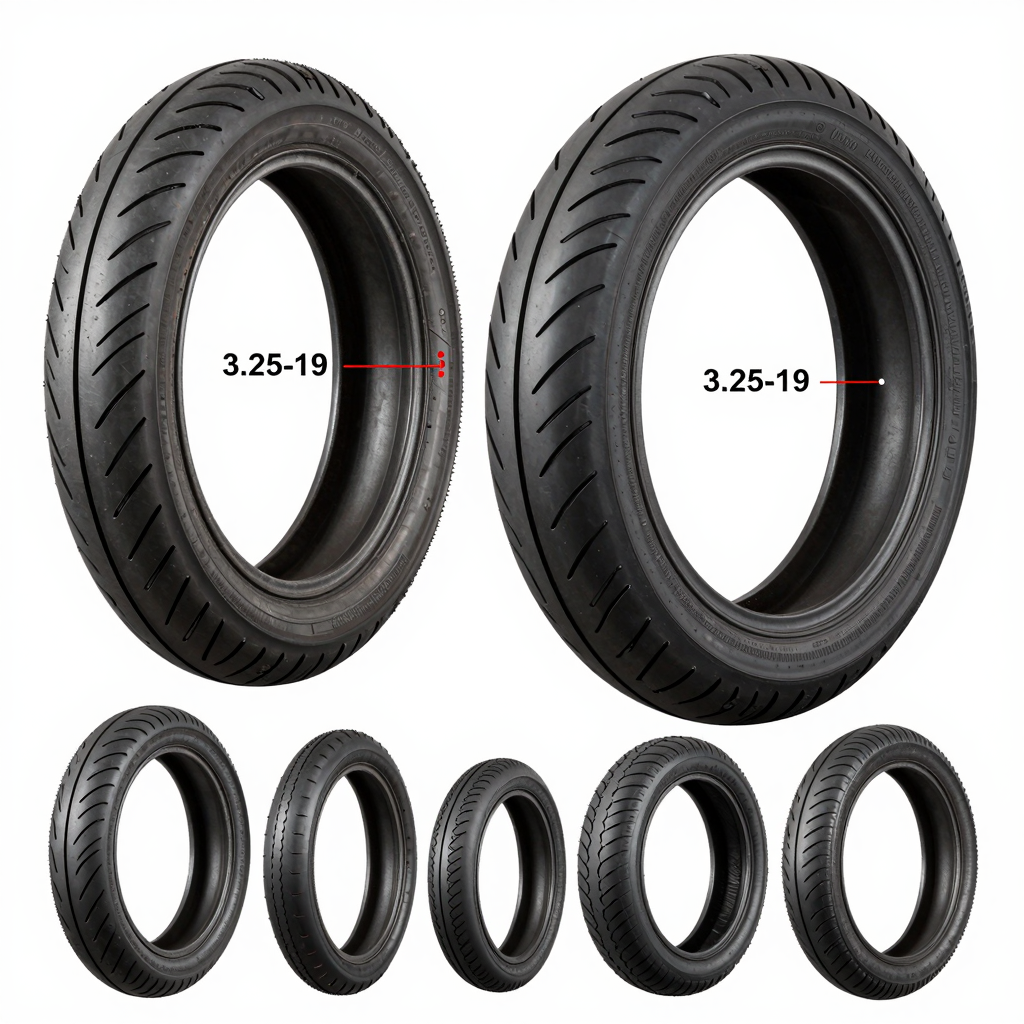
When it comes to motorcycle tires, one common size that enthusiasts often discuss is the 3.25-19. Understanding the dimensions and implications of tire sizes is crucial for both safety and performance. Please take a look at the image below that illustrates various motorcycle tire sizes, highlighting the 3.25-19 dimension. This visual aid can help you grasp the differences and applications of each size effectively.
Why Tire Size Matters
Tire sizes not only affect the vehicle’s handling and stability but also its speed and overall safety. Many business owners in the motorcycle industry need to educate their customers on tire conversions and the importance of selecting proper tire sizes for their specific models.
Key Points:
- Performance: Different sizes can affect the motorcycle’s performance characteristics significantly.
- Compatibility: Ensuring the correct tire size for the rim can prevent accidents and enhance safety.
- Conversions: Familiarity with common sizes, like 3.25-19, aids in providing better customer service.
For those looking to delve deeper into tire pressure and safety, consider looking into this tire pressure calculator to optimize your motorcycle’s performance. With the right knowledge, you can make informed decisions that benefit both your business and your customers.
The Importance of Tire Conversions in Motorcycling
Motorcycle tire conversions can significantly enhance a rider’s experience, particularly when transitioning to sizes like 3.25-19. The practice of changing tire sizes is often debated among motorcycle enthusiasts; however, industry experts frequently underline its importance in terms of safety, performance, and handling.
“Selecting the right tire size can dramatically alter the motorcycle’s handling characteristics. Wider tires can provide more grip and stability, while the right pressure can ensure optimal performance,” states an expert from Dunlop Motorcycle.
This emphasizes the functionality of tire conversions not only for performance but also for maximizing safety on various terrains. A well-chosen tire size contributes to better traction and cornering capabilities, crucial for both casual rides and competitive racing.
Benefits of Converting to 3.25-19 Tires
Adopting a 3.25-19 tire can lead to several benefits:
- Enhanced Grip: A larger contact patch means more rubber on the road, improving handling and stability, particularly in wet or uneven conditions.
- Improved Stability: Riders may experience reduced feedback during high-speed maneuvers, making for a smoother ride.
- Longer Lifespan: With the right tire, overall durability can improve, reducing the frequency of replacements.
Understanding the Risks
While the benefits are appealing, it’s essential to note that tire conversions are not without risks. Changing tire sizes can impact the motorcycle’s balance, and it’s crucial to ensure compatibility with the bike’s suspension and geometry. Experts advise consulting the manufacturer’s recommendations to avoid unforeseen handling issues.
Performance Metrics for Conversions
To illustrate the impact effectively, a recent study indicated that size conversions could improve key performance metrics:
- Traction: Increased tire width resulted in better traction under acceleration.
- Handling: Adjusting tire dimensions plays a critical role in the way a motorcycle steers and reacts to rider inputs.
- Stability: Larger tires can help absorb irregularities in the road surface, minimizing the risk of losing control during sudden maneuvers.

In conclusion, tire conversions are an important consideration for motorcycle owners looking to enhance their machine’s capabilities. It is always advised to conduct thorough research and potentially engage with experts before making significant changes to ensure safety and performance are not compromised. To explore tire pressure calculators that can help with the conversion process, check our tire pressure calculator.
Further Resources
For those considering conversions or looking to learn more, refer to our detailed guide on motorcycle tire dimensions.
The journey of understanding 3.25-19 motorcycle tire conversions reveals significant insights for business owners and enthusiasts alike. As we have explored, this size conversion presents a mix of benefits and challenges that all motorcycle-focused businesses should carefully consider.
Key Takeaways
-
Wider Tires Enhance Performance: Transitioning to a wider tire, such as the 3.25-19, can lead to enhanced grip and stability, thus improving overall riding performance. This can be particularly attractive for businesses specializing in motorcycle sales or servicing, as customers often seek optimal performance gains.
-
Fitment Considerations: The conversion process is not without its complications. It is crucial to understand that tire sizing doesn’t always translate perfectly between metrics. The width and rim compatibility must be assessed to avoid fitment issues that can jeopardize the riding experience. For instance, comparing the 3.25-19 with equivalent sizes like 90/90-19 shows that while close, these sizes may have variances that can affect performance.
-
Pros and Cons of Conversion: Weighing the advantages against potential downsides is essential. Wider tires can offer better road performance, but they may also complicate handling and affect the bike’s stability under certain conditions. This includes considerations around bump absorption and the overall ride quality.
-
Market Trends: There has been a noticeable shift in consumer preferences towards wider tires due to their associated performance benefits. Recognizing this trend can help businesses make informed decisions regarding inventory and marketing strategies. Given the current demand, stocking popular conversion sizes like the 3.25-19 can position a business as a leader in the motorcycle tire market.
A Call to Action for Business Owners
As you reflect on the insights shared regarding 3.25-19 tire conversions, now is the moment to act. Assess your inventory and consider the implications of introducing or highlighting wider, performance-oriented tires in your offerings. Share your knowledge with customers, guiding them through the advantages and potential drawbacks of size conversions.
By enhancing your product range and providing valuable expertise on tire conversions, you could significantly impact customers’ riding experiences while also boosting your business. Don’t wait for the market to dictate the terms-be the leader it needs!
For further insights into maintaining tire performance and pressure, visit our tire pressure calculator to offer your clients precise information that can enhance their performance.