
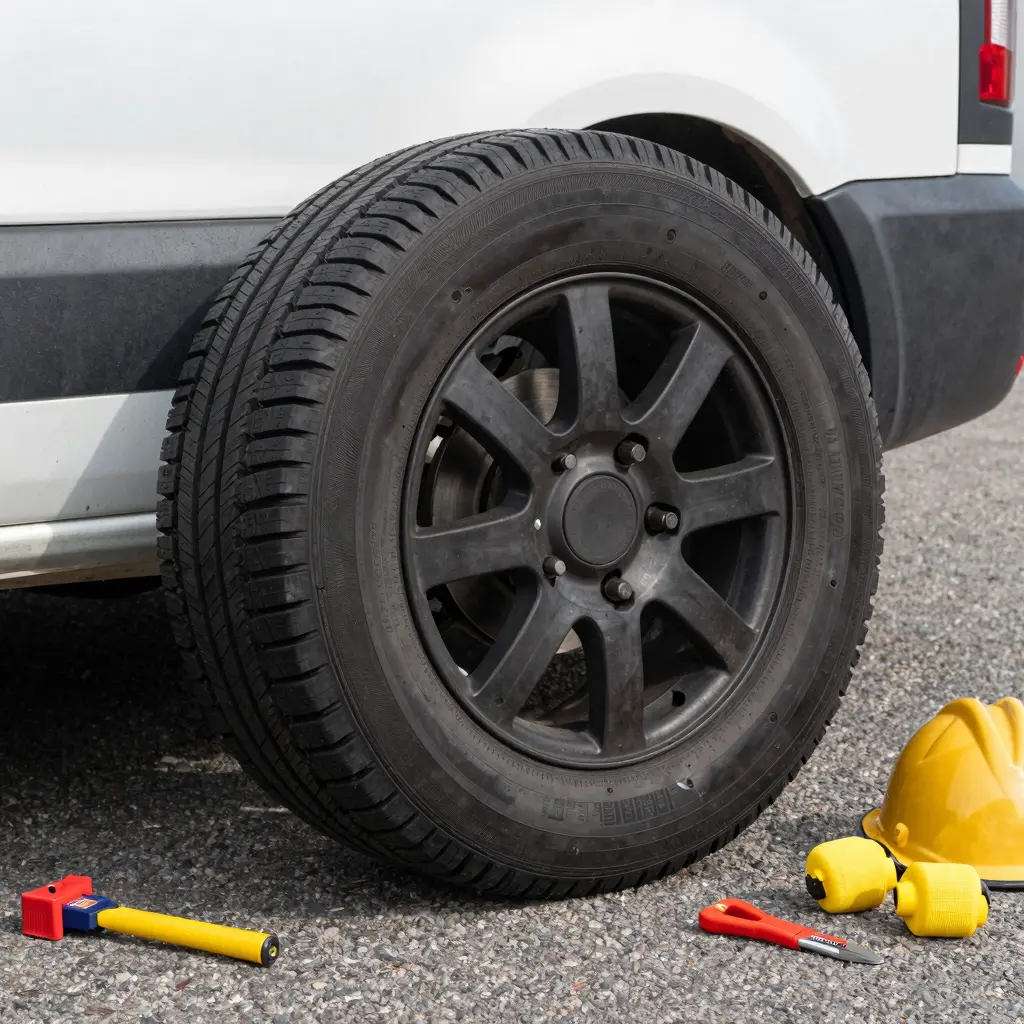
Tire maintenance is often an overlooked aspect of vehicle care, yet it holds significant importance, especially for business owners who rely on vehicles for daily operations. Every year, countless accidents result from neglected tires, leading to not only personal injuries but also hefty expenses in repairs and increased insurance premiums. Maintaining and replacing worn tires promptly can prevent these costly consequences. For instance, neglected tire maintenance can impact fuel efficiency, resulting in higher operational costs that can silently erode a business’s profit margins. Furthermore, according to industry insights, improper tire maintenance, including ignoring bald tires or neglecting proper pressure levels, significantly raises the likelihood of accidents. By prioritizing tire maintenance, business owners can enhance safety, optimize their operational costs, and ultimately protect their bottom line. To learn more about accurate tire pressure maintenance, check our tire pressure calculator or discover how to maximize safety with tire upkeep.
Benefits of Replacing Two Tires Instead of All Four
- Cost-Effective: Replacing just two tires is significantly cheaper than replacing all four, making it easier on a business budget.
- Safety Assurance: New tires on either the front or back improve traction and handling, addressing immediate safety concerns without the investment of new tires all around.
- Flexible Maintenance: Businesses can stagger tire replacements based on wear, optimizing cash flow and tire longevity.
- Quick Turnaround: Fewer tires to replace means quicker service time, reducing vehicle downtime.
- Targeted Performance: Replacing tires on one axle addresses specific performance issues while the others remain functional.
For more information on tire maintenance, learn more about replacing tire pressure.
| Aspect | Replacing Two Tires | Replacing Four Tires |
|---|---|---|
| Cost | – Lower upfront cost | – Higher upfront cost |
| – Cost-effective in the short term | – More economical over time due to uniform wear | |
| Safety | – May cause traction issues with uneven tread wear | – Ensures balanced traction and handling |
| – Rear tire replacement is crucial for rear-wheel drives | – Reduces the risk of blowouts and accidents | |
| Performance | – Can lead to uneven handling and road noise | – Improved vehicle handling and ride comfort |
| – New tires should always be placed on the rear axle | – Uniform performance in all conditions (rain, snow, etc.) |
Summary of Findings
- Replacing just two tires can save money initially but may lead to safety concerns and uneven tread wear, particularly in adverse conditions.
- In contrast, replacing all four tires ensures balanced performance, better traction, and overall safety, especially crucial for business owners who prioritize fleet safety.
For more detailed insights on tire pressure, you can learn more about maintaining proper tire pressure or explore the pros and cons of replacing only two tires by checking this guide on the best practices for tire replacement.
This content is tailored to inform business owners on making an informed decision regarding tire replacements.
Enhancing Vehicle Safety by Replacing Two Tires
Replacing two tires on your business vehicle can significantly enhance safety. When tires are worn, traction decreases, increasing the risk of slipping and accidents, particularly on wet or uneven surfaces. Here’s how replacing two tires boosts safety:
1. Improved Traction
New tires provide better grip on the road, which is crucial for maintaining control, especially during adverse weather conditions such as rain or snow. A vehicle equipped with new tires can effectively channel water away, reducing the chance of hydroplaning. As noted by Consumer Reports, worn tires can significantly limit traction, endangering drivers and their cargo.
2. Enhanced Braking Performance
Tires are essential for safe braking. Worn tires lead to longer stopping distances, as highlighted in research from Michelin. By replacing old tires, business owners can ensure that their vehicles stop effectively, which is crucial when transporting goods or passengers.
3. Better Handling
New tires help maintain vehicle stability and responsiveness. This improvement in handling allows drivers to navigate turns and sudden stops more safely. A well-maintained vehicle not only protects cargo but also enhances the driver’s operational safety, particularly in urban environments where sudden maneuvers may be necessary.
For more insights on tire maintenance and optimal driving performance, learn more here.
Expert Opinions on When to Replace Two Tires
Replacing tires is crucial for vehicle safety and performance, especially for business vehicles that rely heavily on operational efficiency. Here’s a summary of expert guidelines from leading tire manufacturers and industry experts:
| Brand | Tire Replacement Guidelines | Source |
|---|---|---|
| Michelin | Replace tires when tread depth is below 2/32 inches. Consider replacing in sets for better performance. Learn more here. | |
| Goodyear | Recommend replacing all four tires for even traction, or at least both tires on the same axle if uneven wear is detected. Visit Goodyear guidelines. | |
| Bridgestone | Suggest replacing tires showing visible damage, tread wear indicators, or when the tread depth is less than 3/32 inches. Replace all four tires for optimal safety and performance. Explore Bridgestone recommendations. | |
| RMA | Advises that if two tires require replacement, consider matching them with the best tires on the other axle for balanced performance. Review RMA guidelines. |
Industry Recommendations
According to various studies and guidelines:
- Bridgestone emphasizes regular inspections of tread depth; tires should be replaced when tread reaches 2/32 inches or when greater than six years old regardless of tread condition.
- Commercial Tire suggests replacement intervals of every 6 to 10 years, depending on tire wear and environmental conditions.
- My Safety Manager reports that most manufacturers recommend tire replacement after 10 years due to material degradation, particularly for commercial tires.
- Federal mandates for commercial trucks specify a minimum tread depth of 4/32 inches for steer tires and 2/32 inches for others, underscoring the importance of maintaining safety standards.
Regularly monitoring tire condition and adhering to replacement guidelines can significantly enhance safety for business vehicles. For more information on tire pressure and safety, check out our tire pressure calculator.
Conclusion
Business owners should closely follow these guidelines to ensure their fleets remain safe and efficient on the roads.
Cost Implications of Delaying Tire Replacement
For business owners, the implications of delaying tire replacement can extend beyond immediate maintenance expenses. Underestimating the importance of timely tire replacement can drastically affect both the operational costs and overall safety of commercial vehicles. Here’s how these cost implications unfold:
Maintenance Costs
- Increased Risk of Tire Failure: Delayed tire replacement increases the chances of tire blowouts and other failures. A report by Car HQ indicates that the average cost associated with a tire failure-including service calls and downtime-can amount to nearly $1,500.
- Fuel Efficiency: Worn tires can increase rolling resistance, which negatively affects fuel efficiency. According to data from Tire World Utah, increased resistance due to worn tires can lead to higher fuel costs-the additional cost could amount to thousands over time.
Safety Risks
- Accident Risks: The consequence of delaying tire replacements extends to safety. Neglecting worn or damaged tires can lead to accidents, thereby increasing liability issues and insurance rates. A report from Miguel’s Mobile Mechanic highlights the substantial costs from accidents caused by tire failures, which can easily exceed the costs of preventive maintenance.
- Longer-Term Costs: The cumulative effects of tire wear also lead to increased wear on other vehicle components. For instance, suspension and alignment issues stemming from poor tire conditions can escalate maintenance budgets significantly.
Visual Summary

In summary, the financial implications for business owners regarding tire replacement are multifaceted. By investing in timely tire replacements, businesses can mitigate maintenance costs, enhance safety, and ultimately improve operational efficiency. Prioritizing this simple yet critical maintenance task is essential for safeguarding both assets and personnel.
The Importance of Tire Health for Business Owners
Maintaining tire health is not just about safety; it’s a critical aspect of operational efficiency for business owners who rely on vehicles. According to Kevin Laughlin, a retail sales manager at Marion Tire Company, “Proper tire maintenance is essential not just for safety but also to prevent costly breakdowns and ensure vehicles perform optimally during long journeys.” This sentiment resonates deeply with businesses, especially those that depend on their fleet to operate smoothly.
Neglecting tire health can lead to significant financial implications, from increased fuel consumption to potential accidents that could involve liability issues. Regular checks, including maintaining proper inflation and monitoring tread depth, can save businesses from unexpected costs and enhance overall safety.
For further insights on how to maintain your vehicle’s tires, you can explore our tire pressure calculator for accurate tire pressure management or learn about how to optimize tire maintenance for your fleet.
In conclusion, timely tire replacement is crucial for maintaining safety, performance, and productivity within your business. Worn tires not only increase the risk of accidents-accounting for a significant number of vehicle mishaps-but also lead to increased stopping distances and diminished grip on the road. Delaying replacements can be detrimental, resulting in costly repairs and unexpected downtime, which directly impact business efficiency.
Ensuring that tires are regularly inspected and replaced at recommended intervals will not only enhance safety but can also improve fuel efficiency, reducing overall operating costs. In fact, replacing worn tires can save substantial fuel costs due to decreased rolling resistance.
As a business owner, prioritize tire maintenance to avoid costly disruptions. For a thorough assessment of your tire pressure and condition, consider utilizing our tire pressure calculator. Stay proactive about tire management and optimize your fleet’s performance today!
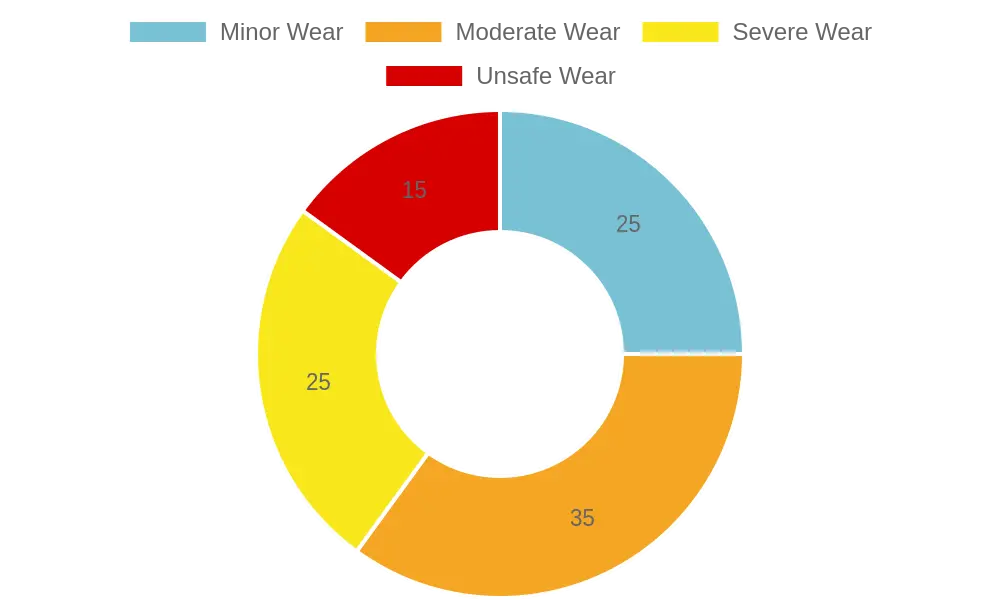
Stages of Tire Wear Chart:
| Stage of Tire Wear | Description | Recommended Action |
|---|---|---|
| Minor Wear | Slight tread wear, usually not affecting performance. | Regular monitoring |
| Moderate Wear | Noticeable tread wear; can impact handling. | Rotate tires and check alignment |
| Severe Wear | Significant wear that affects safety and performance. | Replace tires |
| Unsafe Wear | Tread is worn down to unsafe levels, risking tire failure. | Immediate tire replacement |
For more on tire safety and pressure, learn more here.