

Introduction
As a motorcycle business owner, understanding the nuances of tire conversions is crucial to optimizing performance and ensuring the safety of your customers. Specifically, the conversion to a 3.00-19 tire can make a significant difference in a bike’s handling and stability. This tire size is often the go-to for many vintage and smaller motorcycles, but its advantages extend beyond mere fit. Upgrading to a 3.00-19 tire not only enhances the grip on various road surfaces but also improves the overall ride quality. A properly fitted tire can affect how well the bike responds during sharp turns, contributes to braking efficiency, and ensures adequate stability under varying load conditions. Furthermore, the correct tire size can positively impact fuel efficiency, allowing for a smoother ride. For those interested in maximizing bike safety and performance, it’s essential to explore the benefits of tire conversion options. Doing so ensures both compliance with safety standards and customer satisfaction, which ultimately affects your bottom line.
Understanding Motorcycle Tire Sizes and Their Significance
Motorcycle tire sizes might seem complicated at first glance, but they follow a systematic code that’s essential for ensuring safety and performance. For example, let’s take the tire size 3.00-19. This designation provides crucial information:
- 3.00: This number indicates the nominal width of the tire, which is 3 inches. This width influences the tire’s handling, grip, and overall performance.
- 19: This represents the rim diameter in inches. A tire requires a specific rim diameter for a proper fit, which is critical for safety and optimal performance.
It’s important to mention that this sizing system is particularly relevant for older and utility motorcycles, as highlighted in various sources. The standardized metric ensures compatibility across different motorcycle models, particularly in regions like Southeast Asia.
Why Understanding Tire Sizes is Vital for Business Owners
For business owners in the motorcycle retail and repair industry, understanding tire sizes such as 3.00-19 is more than just technical knowledge; it’s essential for operational success. Here’s why:
- Safety Compliance: Installing the correct tire size is crucial for customer safety. Misfit tires can lead to handling issues, increased wear, and legal liabilities in case of accidents. Accurate tire sizing ensures compliance with safety standards that help avoid such risks.
- Customer Trust: Demonstrating a deep understanding of tire specifications helps establish credibility with customers. If they know you’re knowledgeable about sizes and their implications on performance, they’re more likely to return for future services. As reported by the Motorcycle Industry Council, improper installations can lead to accidents, undermining the trust you’ve built with your clientele.
- Inventory Management: Knowledge of different tire sizes enables better inventory management. This can prevent stockouts for popular sizes and ensures that all customer preferences are met, enhancing overall operational efficiency.
In conclusion, understanding motorcycle tire sizes is crucial for ensuring safety, enhancing customer trust, and improving logistical operations in the motorcycle business. For more information on tire pressure calculators and tire conversions, check out our tire pressure calculator and learn about tire conversions.
Benefits of Converting to 3.00-19 Motorcycle Tires
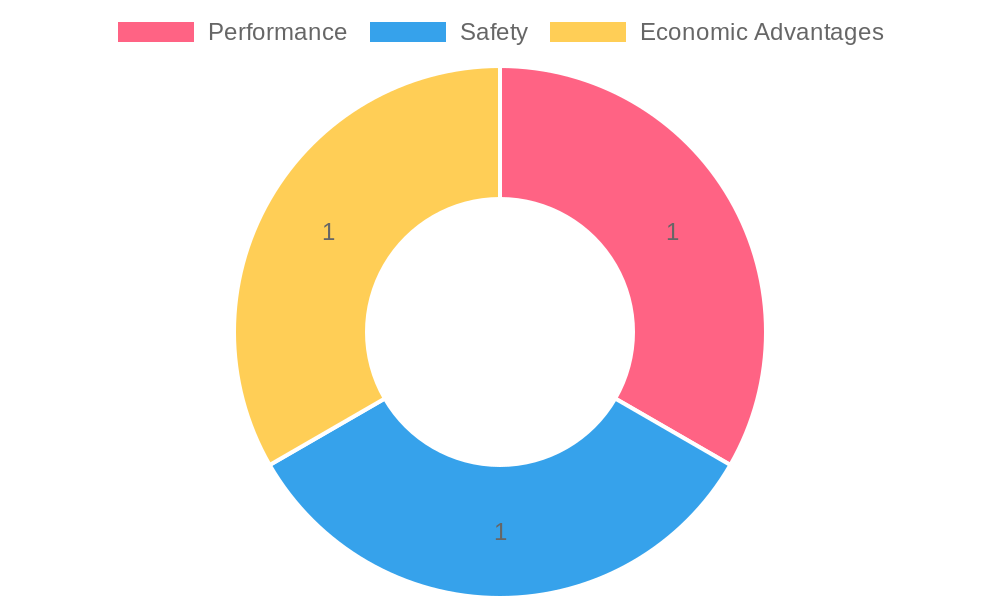
Converting to 3.00-19 tires offers numerous advantages that can enhance performance, ensure safety, and improve economic efficiency for motorcycle businesses.
Performance
- Enhanced Stability and Control: The wider profile of 3.00-19 tires maximizes surface area, improving traction and stability, especially beneficial for trike conversions. This design supports better handling dynamics and load distribution, critical for long-distance touring or heavy-duty use.
- Aggressive Tread Patterns: These tires effectively displace mud and debris, ensuring consistent grip in challenging conditions like rocks, mud, and loose surfaces.
Safety
- Durable Construction: Engineered with high-quality materials, these tires meet stringent industry safety standards, reducing the risk of blowouts or tread separation. Their robust rubber also resists wear from harsh environments, enhancing overall durability.
- Improved Load Distribution: When used in trike conversions, these tires help improve weight distribution and structural integrity, minimizing rollover risks. Together with upgraded braking systems, they significantly enhance overall vehicle safety.
Economic Advantages
- Long-Lasting Tread Life: The durability of 3.00-19 tires reduces replacement frequency, leading to lower long-term maintenance costs. Their performance in high-stress environments translates to fewer unexpected repairs, offering cost-effective mobility solutions.
- Competitive Pricing: Available through bulk suppliers, these tires can be purchased at competitive rates, making them ideal for commercial operators.
For more insights on enhancing your motorcycle safety and performance, visit our tire pressure calculator. For those considering different tire sizes, check our resource on 18-inch dirt bike inner tubes.
Comparison of 3.00-19 Tires with Common Sizes
In this guide, we provide a comprehensive comparison of 3.00-19 motorcycle tires with two other popular tire sizes: 120/90-18 and 130/90-16. This information is especially useful for motorcycle enthusiasts and business owners looking to understand tire options better.
| Tire Size | Tread Width | Aspect Ratio | Rim Diameter | Load Index | Speed Rating | Recommended Pressure |
|---|---|---|---|---|---|---|
| 3.00-19 | 3.00 inches (76 mm) | Not specified | 19 inches | Not specified | Not specified | 30-35 PSI (approx.) |
| 120/90-18 | 120 mm (approximately 4.72 inches) | 90% (108 mm) | 18 inches | 60-70 (240-310 kg) | H (up to 210 km/h) | 28-34 PSI |
| 130/90-16 | 130 mm (approximately 5.12 inches) | 90% (117 mm) | 16 inches | 67-74 (up to 236 kg) | H (up to 210 km/h), V (up to 240 km/h) | 30 PSI |
Key Insights
- Grip and Durability: The 3.00-19 tire tends to have a broader surface area, providing better grip on various terrains especially for larger motorcycles. In contrast, the 120/90-18 and 130/90-16 sizes offer robust durability due to their higher load index and recommended pressure settings.
- Performance: While all three provide reasonable speed ratings up to 210 km/h, the larger tread widths on the 120/90-18 and 130/90-16 suggest better performance for middleweight and adventure motorcycles. The 3.00-19 is more suited for lighter, older models.
- Applications: Understanding the specific tire type helps in choosing the right one for different motorcycle models. For example, modern sport bikes often prefer the 120/90-18, while cruising models might favor the 130/90-16.
For more information on tire pressures and calculations, check out our tire pressure calculator. You can also explore insights on 3.25-19 motorcycle tire conversions as you consider different tire sizes for your business needs.
Considerations Before Converting Tires for Motorcycles
When considering a motorcycle tire conversion, it’s crucial for business owners to conduct thorough assessments to ensure safety, performance, and compatibility. Here are some core factors to consider:
1. Weight Capacity
The tire’s load index is critical in determining whether it can support the motorcycle’s weight and any intended load during rides. It’s essential to replace the current tire with one that has an equal or higher load capacity to ensure safety and performance. Failing to do so may lead to tire failure, compromising rider safety.
2. Riding Conditions
Business owners should consider the typical riding conditions in which the motorcycle will be used. For instance, different tires are designed for varying terrains, such as off-road dirt paths versus smooth highway rides. Choosing a tire suitable for the main conditions the motorcycle will encounter can greatly enhance performance and safety. Additionally, factors like tread design and rubber compounds can impact the tire’s grip and durability in specific riding scenarios.
3. Bike Compatibility
Tire conversion must align with the motorcycle’s specification requirements, including rim size and type (e.g., on-road or off-road). Using tires that don’t match these specifications may impact handling and braking effectiveness, possibly voiding any manufacturer’s warranty. It’s advisable to reference the motorcycle’s manual or manufacturer guidance to ensure compatibility with the new tire dimensions.
4. Importance of Due Diligence
Due diligence plays a vital role in the motorcycle tire conversion process. Engaging in extensive research on tire specifications-like load index, speed ratings, and compound suitability-is imperative. Not only does this protect against poor performance and handling, but it also minimizes the risk of accidents due to inappropriate tire choices. Furthermore, the rise of e-commerce necessitates verification of suppliers, ensuring that products comply with regional safety standards to avoid counterfeit items. Learn more about tire pressure calculations here.
In conclusion, making tire conversions without careful consideration can jeopardize motorcycle performance and rider safety. Business owners should take the time to evaluate these factors thoughtfully before proceeding with any conversions.
Understanding Tire Dimensions for Safety and Performance
When it comes to motorcycle tire conversions, particularly the 3.00-19 size, understanding dimensions is crucial for both safety and performance. Tire dimensions play a pivotal role in how a motorcycle handles, brakes, and maintains stability. An expert from the Motorcycle Mechanics Institute states,
“Proper tire dimensions ensure optimal fitment with the wheel rim, correct suspension alignment, and safe load distribution. Incorrect sizing can cause vibrations, uneven wear, and premature tire failure. All tire changes should be made within the OEM (Original Equipment Manufacturer) specifications to maintain vehicle integrity and rider safety.”
This perspective emphasizes the vital nature of adhering to recommended tire sizes. Any deviations-no matter how minor-could lead to significant impacts on your motorcycle’s performance, particularly in critical moments such as cornering or emergency stops.
Importance of Safety in Tire Conversions
Tire conversions are often a necessity for business owners managing a fleet of motorcycles or for individual enthusiasts looking to enhance their bikes. Here are some key points to consider:
- Stability and Handling: Using the correct tire size maintains the motorcycle’s stability.
- Braking Performance: The right dimensions directly influence braking efficiency, reducing the likelihood of accidents.
- Speedometer Accuracy: Incorrect sizes can alter speedometer readings, leading to further issues.
For those interested in specific tire conversions, you may want to explore more about 3.25-19 motorcycle tire conversions. Understanding these aspects can greatly enhance safety and performance on the roads.
How to Convert to 3.00-19 Motorcycle Tires
Converting your motorcycle tires to 3.00-19 size can enhance performance, improve handling, and ensure compatibility with specific models. This how-to guide outlines the necessary steps, tools, and technical considerations to facilitate a smooth conversion process, aimed at business owners and motorcycle enthusiasts alike.
Step 1: Gather Necessary Tools
Before embarking on the conversion, ensure you have all essential tools on hand:
- Tire Iron: For removing old tires and installing new ones.
- Bead Breaker: To separate the tire from the wheel rim.
- Air Compressor: For inflating the tire after installation.
- Torque Wrench: To ensure proper tightness of the wheel bolts.
- Valve Core Remover: Essential if you are working with inner tubes.
- Rim Tape: To protect the inner tube from sharp edges of the rim.
- Tire Mounting Machine: Recommended for precision, especially with tight rims.
Step 2: Remove the Existing Tire
- Use the tire iron to loosen the wheel nut and remove the wheel from the motorcycle.
- Using the bead breaker, carefully separate the tire from the rim.
- Remove any inner tubes present, ensuring they are correctly identified if future replacements are needed.
Step 3: Inspect the Wheel Rim
- Confirm the rim’s width (J-value) is compatible with 3.00-19 tires, ideally between 7.5J and 8.5J.
- Inspect for damages or bends that might affect the tire installation.
Step 4: Install the New Tire
- Before mounting, ensure the tire’s load index and speed rating match the motorcycle’s specifications.
- Fit the 3.00-19 tire on the rim, taking care to seat the bead properly. If you face difficulties, a tire mounting machine can assist.
- If applicable, install a new inner tube, ensuring it is free of twists or kinks.
Step 5: Inflate and Adjust
- Inflate the tire to the recommended pressure, checking using a tire pressure calculator to ensure safety and performance.
- After installation, check for any discrepancies in wheel alignment or clearance.
Technical Considerations
- Maintain tire diameter within ±3% of the original to keep speedometer accuracy and handling safety.
- Check for clearance between fenders and frame components to avoid rubbing during operation, especially in tight turns or suspension travel.
- Verify compatibility with your motorcycle model, common for dirt bikes and cruisers; models include Honda CRF250L and Yamaha YZ250F.
Potential Challenges
- Difficulty in seating the tire bead correctly, particularly if the rim is old or damaged.
- Possible adjustments to suspension settings may be required if the overall tire height changes significantly.
- Increased width can cause rubbing with fenders or frame components.
Conclusion
Converting to 3.00-19 motorcycle tires is not just about changing the tire; it’s about ensuring compatibility, safety, and performance. If you encounter any challenges during the process, don’t hesitate to consult with a qualified mechanic to ensure a safe installation. For more information about tire specifications and further reading, visit Motorcycle Tire Info.
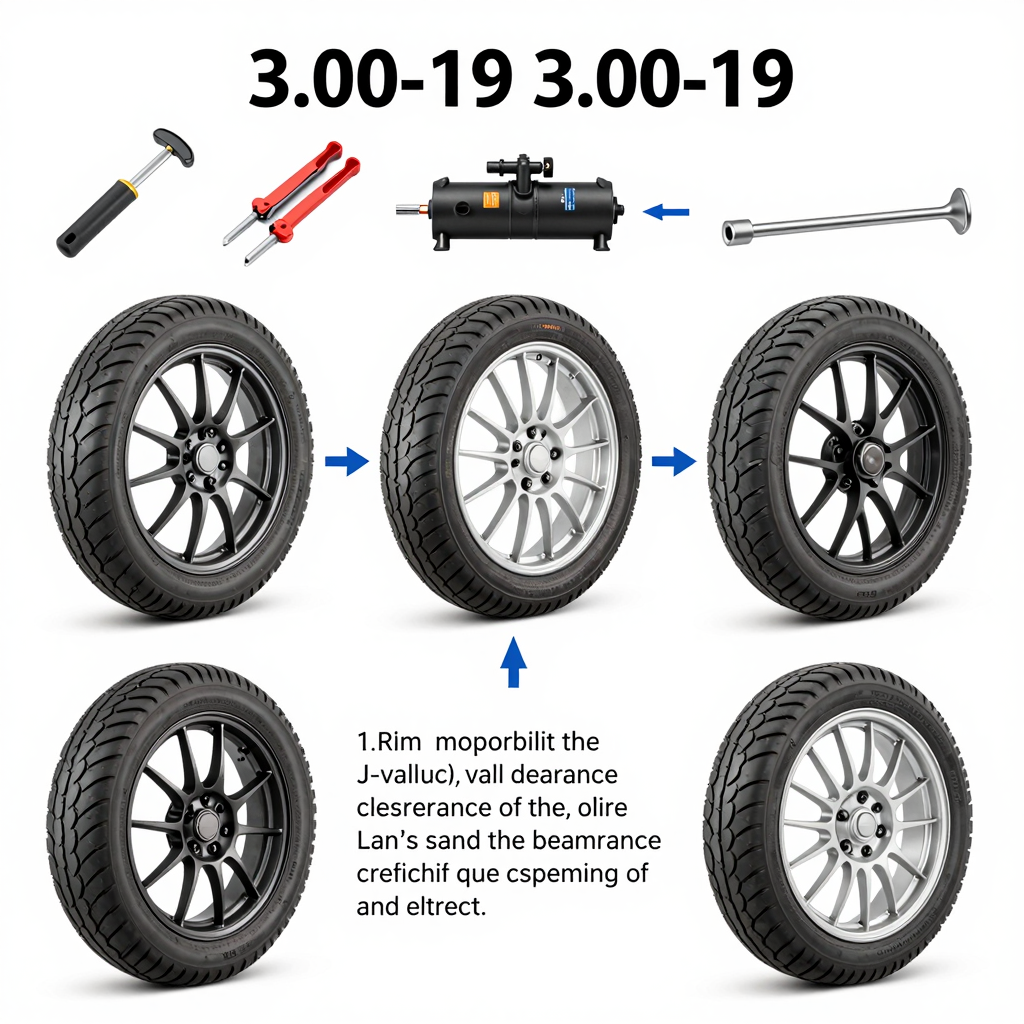
Infographic outlining the step-by-step process and essential details for tire conversion.
Trends in 3.00-19 Motorcycle Tire Conversions
Motorcycle tire conversions, particularly those involving the 3.00-19 tire size, are witnessing notable trends and preferences in the market as of 2023. With an increasing number of riders seeking customization and enhanced performance, understanding the shifting landscape of these conversions is essential for business owners in the motorcycle industry.
Growing Interest in High-Performance Tires
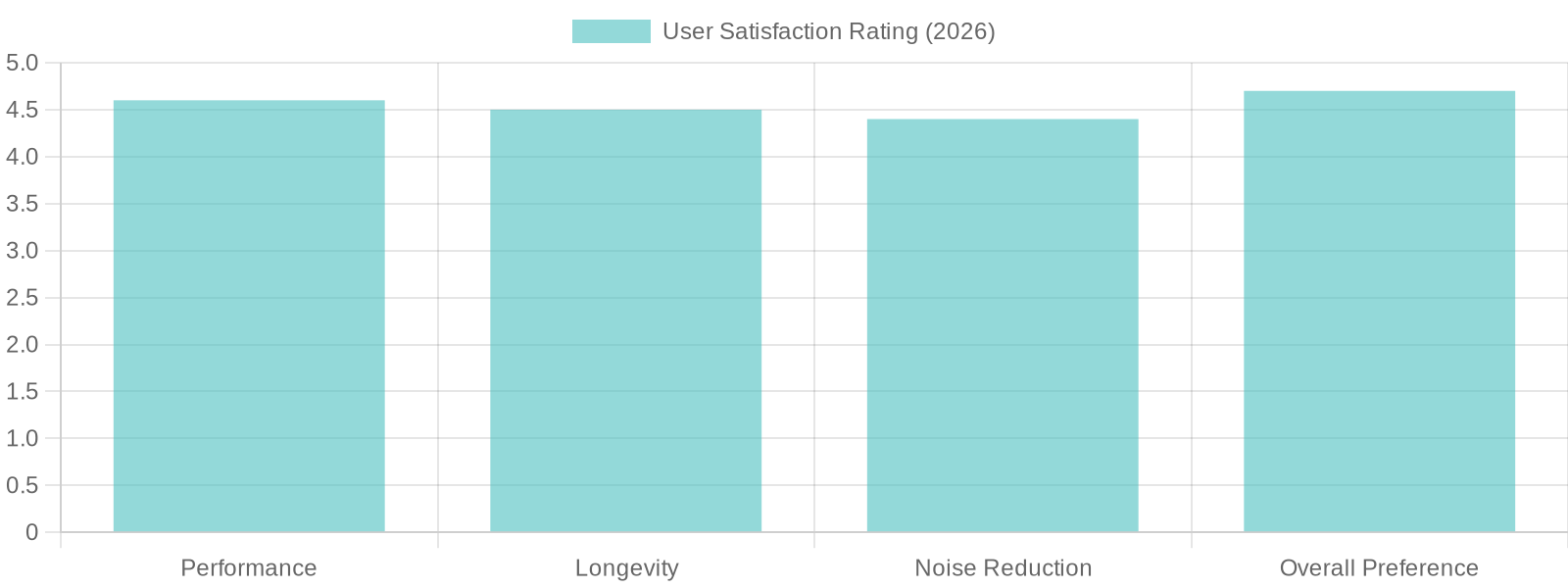
Recent user reports indicate a burgeoning demand for high-performance tires that offer better grip and handling across diverse terrains. The advent of multi-compound tread designs and radial constructions has significantly increased cornering stability and braking efficiency. Performance-oriented 3.00-19 tires are now leading the growth in the higher-end segment of the market. According to a 2026 survey on motorcycle tire user satisfaction, the average user rating for performance in this category has surged to 4.6 out of 5.
Longevity and Durability
Another key trend is the preference for durable tires that can withstand wear and tear, especially among urban commuters. Brands like Michelin and Yokohama are producing tires with compounds designed to resist wear, with reports indicating an increase in tread life by up to 30%. This aspect is particularly appealing to business owners managing fleet operations, where extended mileage proves beneficial. User satisfaction ratings for longevity in 3.00-19 tires average at 4.5, underscoring a shift towards prioritizing durability alongside performance.
Focus on Noise Reduction
As electric motorcycles gain traction, the demand for low-noise tires is simultaneously on the rise. Advancements such as optimized tread patterns and incorporation of sound-absorbing materials have led to a notable reduction in tire noise by up to 15 dB in premium models. The user satisfaction rating related to noise reduction features is found to be around 4.4 out of 5. This trend highlights an increasing awareness among riders about the overall riding experience, particularly in urban environments where noise pollution is more pronounced.
Comprehensive Performance Preferences
Ultimately, modern riders are looking for a balance of performance, durability, and quiet operation in motorcycle tires. The emerging market preferences suggest that premium tires equipped for all-weather capabilities and specifically designed for electric vehicles are gaining substantial interest, especially in regions like Asia and Europe. Overall satisfaction ratings for these versatile tires stand at 4.7, reflecting the evolving expectations of consumers.
Conclusion
In summary, the trends in 3.00-19 motorcycle tire conversions are leaning heavily towards high-performance, durability, and user experience factors such as noise reduction. These shifts in market preferences could significantly affect inventory decisions for tire retailers and manufacturers. By prioritizing these features, business owners can better align their offerings with the rising expectations of motorcycle riders today. For more tire maintenance tips, check our tire pressure calculator.
In conclusion, converting to a 3.00-19 motorcycle tire presents numerous advantages for business owners in the motorcycle industry. This conversion not only enhances the performance of motorcycles by improving ground clearance and stability but also contributes to their aesthetic appeal. The larger diameter and wider tread pattern enhance traction on various terrains, making them suitable for both on-road and off-road use. Additionally, adopting this tire size can align with modern safety standards, thus providing an edge in a competitive market.
If you’re looking to improve the durability, safety, and overall performance of your motorcycles, consider the benefits of the 3.00-19 tire conversion. Learn more about tire conversions here and make the investment today to maximize your fleet’s potential and customer satisfaction.